


Frequently asked questions about hearing aids usually arise at the same moment: when you notice that your hearing is getting worse or when someone close to you suggests getting a hearing test. It is normal to feel somewhat uncertain, as hearing technology has changed significantly in recent years, and it is not always easy to know what to expect from a hearing aid or what the adjustment process involves.
Frequently asked questions about hearing aids
Everyone hears differently, so there is no single answer that applies to every case. These are the questions we are most often asked during consultations:
1. How do I know if I need hearing aids?
There are some common warning signs: asking people to repeat themselves, turning the TV volume up more than usual, feeling that others speak without articulating clearly, or ending the day feeling exhausted after having long conversations.
If you recognise any of these signs, the most sensible thing to do is have a hearing test, as this is the only way to find out whether you have hearing loss and what type it is.
2. Do hearing aids restore hearing to what it was before?
No. Hearing aids do not cure hearing loss, but they amplify and adjust the sounds that your ears can no longer pick up properly, making it easier to understand conversations and the sounds around you. The results depend on the type of hearing loss and how well the device is adjusted.
3. How long does it take to get used to wearing them?
At first, it is common to notice sounds you had stopped hearing, such as footsteps, the rustling of clothes or traffic noise. Your brain needs a period of adjustment to start processing them again. It is best to wear them every day, gradually increasing the number of hours, and attend follow-up appointments so that the settings can be fine-tuned according to how you feel.
4. What types of hearing aids are available?
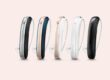
There are two main groups: behind-the-ear hearing aids, which sit behind the ear, and in-the-ear hearing aids, which fit inside the ear canal and are barely visible. Within each group, there are several options in terms of size, power and features, and modern designs are becoming increasingly small and discreet.
The choice depends on the type of hearing loss, the anatomy of your ear and your preferences, so your hearing care professional will recommend the most suitable option after assessing your hearing and daily habits.

5. Can I connect them to my mobile phone or TV?
Many current models feature Bluetooth and connect to your phone to receive calls, music or audio directly through the hearing aids. Some also allow you to connect to your TV using specific accessories. It is worth checking this before choosing a model if this is a feature you are interested in.
6. Is it better to wear one or two hearing aids?
It depends on your hearing loss. If it affects both ears, it is usually best to fit one hearing aid in each ear, as hearing with both ears helps you identify where sounds are coming from and understand speech better in noisy environments. If it only affects one ear, each case is assessed individually.
7. How should they be cleaned and maintained?
You should clean them daily with a soft, dry cloth or the brush that usually comes with the device, without using water or liquid products. It is also advisable to keep them in their case overnight, away from moisture and heat, and check that earwax does not build up around the sound outlets.
If your model uses batteries, remove them when you are not using the hearing aids. If your model is rechargeable, place them in their charging base.
8. Can they get wet?
Most hearing aids are not designed to be submerged, so you should remove them before showering, going to the swimming pool or going into the sea. Some models offer a certain level of protection against water and sweat, but that does not mean they are waterproof or suitable for submersion. It is best to ask about the water resistance of the specific model you are going to wear.
9. How often should they be checked?
Even if you do not notice any problems, it is advisable to attend regular check-ups. During these appointments, the device is cleaned, its performance is checked and any changes in your hearing are assessed, so that the settings can be adjusted when necessary.
10. How long does a hearing aid last?
Its lifespan depends on the model, how often you use it and how well you look after it. With proper cleaning and regular check-ups, a hearing aid can last for several years. Over time, technology or your needs may change, making it worth considering an upgrade.
Better hearing also affects how you interact with others
When it becomes difficult to follow a conversation, it is easy to start avoiding social plans: having a meal with friends in a noisy restaurant, attending a family gathering or making a phone call. Over time, this quiet withdrawal takes a greater toll than it might seem. Addressing hearing loss helps you regain the confidence to take part without having to concentrate on every single word.
That is why it is important not to wait until the difficulty becomes obvious to others. Having a hearing test in time provides clear information about your situation and, if necessary, allows you to start hearing better as soon as possible, with less effort and greater comfort in your everyday life.
Hearing aids in Málaga
If you are looking for hearing aids in Málaga, at Centro Auditivo José Luis Domínguez we have been dedicated to hearing health for decades, offering friendly and personalised care. We always start by listening to you: what your daily routine is like, which situations make it harder for you to hear and what you expect from your hearing aids. From there, we carry out a comprehensive assessment of your hearing.
Our work does not end when we hand over your device. We support you throughout the adjustment process and provide ongoing follow-up care to fine-tune the settings whenever necessary. If you still have any of the frequently asked questions about hearing aids in mind or would like to have your hearing checked, we will be delighted to help.

Audiólogo y administrador del Centro Auditivo José Luis Domínguez. Formado en Audiología Protésica en el IES Santa Bárbara de Málaga, forma parte del equipo desde 2017.