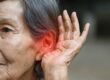



Hearing loss is a more common problem than many people think. In many cases, it appears gradually and the changes are so small at first that they can go unnoticed for months or even years.
For this reason, recognizing the first signs is important in order to act in time and prevent the situation from affecting communication and quality of life.
Hearing loss
Hearing loss, also known as hypoacusis, is the partial or total reduction in the ability to hear sounds. It can affect one or both ears and can be mild, moderate, severe, or profound.
This problem can appear for different reasons, such as natural aging, continuous exposure to loud noises, certain diseases, infections, injuries, or alterations in the structures of the ear. Depending on the cause, hearing loss can develop progressively or appear suddenly.
Although many people associate hearing loss only with older age, the truth is that it can affect people of any age. Detecting it as early as possible allows access to solutions that help maintain good communication and reduce difficulties in everyday life.
Types of hearing loss
There are several types of hearing loss depending on the area of the ear affected:
- Conductive hearing loss: occurs when there is a problem in the outer or middle ear that prevents sound from reaching the inner ear correctly. It may be related to earwax blockages, infections, or eardrum disorders.
- Sensorineural hearing loss: affects the inner ear or the auditory nerve. It is one of the most common types and is usually associated with aging or prolonged exposure to noise.
- Mixed hearing loss: combines characteristics of conductive and sensorineural hearing loss, meaning that there are alterations in different parts of the auditory system.
Symptoms of hearing loss
Symptoms can vary from one person to another, but there are some signs that tend to occur frequently. Identifying the signs of hearing loss in time can help seek a professional assessment before the difficulties increase.
Difficulty following conversations
One of the most common symptoms is the feeling of hearing people speak but not clearly understanding what they are saying. This is especially noticeable at family gatherings, restaurants, crowded places, or spaces with background noise.
It is also common to ask people to repeat sentences several times or to misunderstand certain words, which can lead to misunderstandings in everyday conversations.
Need to increase the volume
Many people with hearing loss gradually begin to increase the volume of the television, radio, mobile phone, or any other audio device.
Family members or people they live with are often the first to notice this change, as they consider the volume being used excessively high compared to normal.
Feeling that others speak quietly or mumble
Another common sign is thinking that people speak too softly or do not articulate words correctly. In reality, the problem may be related to the ability to perceive certain sounds or frequencies.
This situation often causes frustration, especially when it occurs repeatedly in important conversations or in work environments.
Problems hearing certain sounds
Hearing loss can make it difficult to perceive certain specific sounds, such as doorbells, alarms, electronic alerts, or high-pitched voices, especially those of women and children.
When this happens, the person may not realize that certain sounds are present in their environment or may perceive them with less intensity than normal.
Fatigue when communicating
Making a constant effort to listen and understand conversations can generate mental fatigue. Many people end the day feeling more tired after meetings, phone calls, or social gatherings.
Over time, this continuous effort can lead to avoiding certain social situations because of the difficulty involved in following conversations normally.
Ringing in the ears
Although it does not always appear alongside hearing loss, some people experience ringing, buzzing, or persistent noises in one or both ears. This symptom, known as tinnitus, may be associated with different hearing disorders and should be evaluated by a specialist.
How to prevent hearing loss?
Adopting healthy habits can help protect hearing in the long term. Reducing exposure to loud noises, using hearing protection when necessary, and having regular check-ups are some of the most recommended measures for caring for hearing health and preventing hearing loss.
If symptoms such as those mentioned above appear, it is advisable to request a professional assessment. At Audifonos Dominguez we have experience in hearing care and can help you identify the origin of the problem through a personalized evaluation. If you are looking for a hearing center in Málaga, we offer specialized advice to find the most suitable solution for each case.
At Audifonos Dominguez we believe that detecting hearing loss early is essential for maintaining a good quality of life. For this reason, we carry out hearing tests and support each person throughout the entire process, offering close and personalized care adapted to their needs. Contact us.