

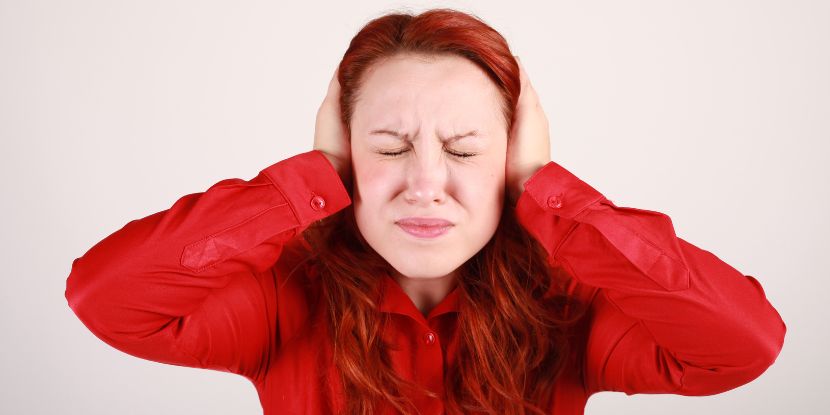
Auditory fatigue is a temporary state of physical and mental exhaustion that affects the auditory system after prolonged exposure to intense noise. It is characterized by a temporary reduction in the ability to perceive soft sounds or understand conversations, as well as sensations of pressure or ringing in the ears.
Stay with us and discover everything you need to know about auditory fatigue.
What is auditory fatigue?
Auditory fatigue occurs when the hair cells in the inner ear—responsible for transforming sound waves into electrical signals—become saturated and suffer reversible stress. This temporary exhaustion can last between 2 and 16 hours after exposure, although if it is prolonged or repeated, it may lead to irreversible hearing loss.
Causes of this condition
Exposure to intense noise is the most common cause of auditory fatigue. Traffic, machinery, concerts, nightclubs, or prolonged use of headphones at high volume can overwork the auditory system. This temporary saturation affects the inner ear cells, causing auditory discomfort and even hearing loss if repeated frequently.
Noisy work environments, such as construction, teaching, or industry, and certain environmental factors—such as humidity, cold, or pressure changes—also play a role. These elements, though less obvious, increase ear sensitivity and contribute to the onset of symptoms.
Symptoms of auditory fatigue
The most common symptoms include:
- Temporary hearing loss, especially for soft sounds
- Difficulty understanding speech in noisy environments
- Feeling of fullness or pressure in the ear
- Tinnitus or ringing in the ears
- Mild pain or discomfort, general fatigue, dizziness, or vertigo in less frequent cases
How to reduce auditory fatigue
To reduce auditory fatigue, we recommend the following:
Rest your ears consciously and regularly
To allow the auditory system to recover after noise exposure, it’s essential to have several moments of silence throughout the day. Short breaks of 5 to 10 minutes after noisy periods help the inner ear cells relax and prevent auditory stress.
If you work in a noisy environment, try to find quiet spaces or use hearing protection to reduce the impact of constant sound. Avoid loud environments and limit the use of headphones as part of good auditory hygiene.
Control the volume and duration of sound in your daily life
Many cases of auditory fatigue are caused by prolonged exposure to high volume levels. Listening to audio above 60% of the maximum volume can damage your hearing, even if you don’t feel discomfort at the time. The 60/60 rule (no more than 60% volume for more than 60 minutes straight) is a helpful guideline.
In noisy environments, using noise-canceling headphones prevents you from having to increase the volume to hear clearly, thus reducing the risk of auditory fatigue.
Consult a professional at the first signs
If you frequently experience auditory discomfort, trouble understanding conversations, or ringing in your ears, it’s time to visit a specialized center. A complete hearing assessment can detect early issues and prevent greater damage.
In some cases, hearing aids, sound therapy, or custom hearing protection may be recommended. The right treatment depends on each case, and the sooner action is taken, the better the outcome.
We help you with auditory fatigue
At Audífonos Domínguez, our hearing center in Málaga, we offer services to address auditory fatigue. Our team performs complete hearing assessments to identify the root of the issue and recommend solutions tailored to your needs.
We also provide personalized support throughout the entire process, from the first consultation to ongoing follow-up. We aim to improve your quality of life by caring for your hearing health with closeness, expertise, and technology. Contact us.