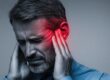



After spending several hours in a noisy environment, it is common to notice ringing in the ears or some difficulty hearing clearly. Many people think it is something temporary and unimportant, but when exposure to noise is repeated frequently, hearing can be affected progressively.
The problem is that the damage usually appears little by little and, in many cases, it is not detected until it starts affecting daily life.
Impact of noise on hearing health
The ear is prepared to withstand normal environmental sounds, but not constant exposure to intense noise. When the volume is too high or the exposure time is prolonged, the cells in the inner ear can be damaged. These cells are essential for hearing correctly and, once affected, they do not regenerate.
One of the first symptoms is usually difficulty following conversations in places with background noise. Ringing, a blocked-ear sensation, or discomfort after being in noisy environments may also appear. Although at first these symptoms may seem mild, over time they can turn into permanent hearing loss.
Noise does not only affect hearing. Continuous exposure can also cause stress, fatigue, sleep problems, and difficulty concentrating. When the body remains exposed to intense sounds for too long, rest and overall well-being are also affected.
Noise pollution
Noise pollution is part of everyday life in many cities. Traffic, construction work, public transport, or certain venues generate a constant level of noise that ends up affecting the ear even if it is not always perceived immediately.
The problem with this type of noise is accumulation. It is not necessary to be exposed to extreme sound to suffer consequences. Listening to high noise levels for years can increase the risk of hearing loss and other issues related to fatigue and stress.
How to protect hearing health from noise?
Taking care of hearing is easier than it seems. Often, it is enough to change some daily habits to reduce the impact of noise and avoid long-term problems. Prevention is key to maintaining good hearing health over the years.
Controlling headphone volume
Listening to music or videos with headphones at high volume for a long time can progressively affect hearing. It is advisable to keep the volume moderate and avoid using headphones for long hours without rest.
It is also important not to increase the volume to block out external noise. This habit forces the ear to withstand a higher intensity than necessary.
Taking hearing breaks
The ear also needs rest. After being in very noisy environments, it is advisable to spend some time in quiet places to reduce auditory overload.
These breaks help reduce ear fatigue and lower the risk of discomfort such as ringing or a blocked-ear sensation.
Using hearing protection
In jobs or activities with a lot of noise, using earplugs or hearing protectors is essential. This type of protection helps reduce the impact of sound and prevents damage related to continuous exposure.
They are also recommended at concerts, nightclubs, or sporting events where the volume is usually very high.
Avoiding prolonged exposure
Although the noise is not extremely loud, spending many hours in noisy environments can also affect hearing. The problem is usually the daily accumulation.
Reducing exposure time helps protect the ear and decreases hearing wear over time.
Paying attention to ear signals
Ringing, difficulty understanding conversations, or the feeling of hearing less after noise exposure are signs that should not be ignored.
Acting in time can help prevent the problem from progressing and affecting daily life.
Regular hearing check-ups
Having regular hearing check-ups allows any changes to be detected before they worsen. Many people do not check their hearing until they start noticing clear problems.
At Audifonos Dominguez we work to help prevent and treat hearing-related problems. As a hearing center Málaga, we offer hearing check-ups and personalized advice to find solutions adapted to each person.
At Audifonos Dominguez we are committed to close treatment and solutions designed to improve quality of life and protect long-term hearing health. Contact us.