


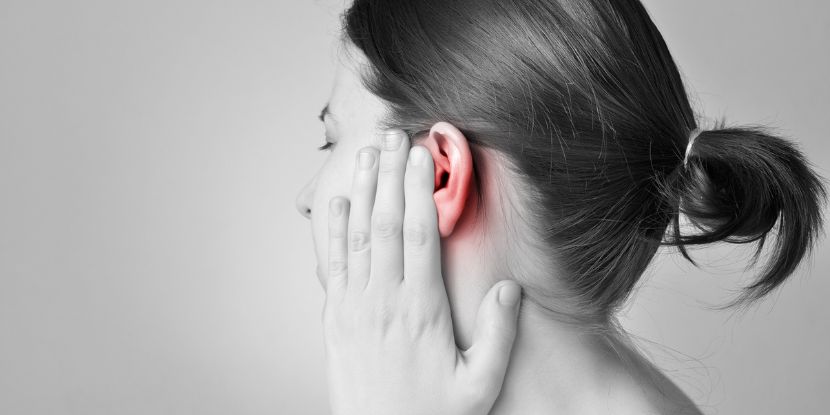
Ototubaritis is common and affects many people, causing discomfort or even concern. When we refer to this pathology we must know where it is, in the Eustachian tube, the conduit that connects the middle ear with the back of the nose and throat. It is an inflammation that can cause hearing problems and especially pain.
Find out in this article, what ototubaritis is in detail, their causes and the most common symptoms. It is important to understand how this condition can affect you so that you can recognize signs early and find the right treatment to avoid complications in the future.
What is ototubaritis?
Ototubaritis arises in the Eustachian tube and, as we mentioned earlier, connects the throat to the middle ear. When we yawn or sneeze, the Eustachian tube opens.
This condition arises when the aforementioned area is inflamed, which is usually due to infection by viruses and bacteria that travel around us and that when they enter the body through the respiratory tract, generate hearing problems.
Causes of ototubaritis
It is important to know the causes that cause ototubaritis in order to give the right treatment and prevent it.
The main cause of this condition is inflammation of the Eustachian tubes, where all the mucus accumulates. This is caused by a normal cold, flu, temperature changes, allergies, excess wax, etc…
When periods of allergy occur, for example in the spring, mucus accumulates in the ear. Sometimes allergy can be confused with otitis media, since pain and inflammation are directly related.
People who are more affected by ototubaritis
Some people are more affected by ototubaritis than others, including:
- Children: this is because their Eustachian tubes are shorter and straighter than those of adults. This makes it easier for germs to enter the middle ear and fluid to be retained. It is also known that the immune system of children is not fully developed, so it is more difficult to fight infections of all kinds.
- Smokers: smoking is harmful in many ways, especially in the respiratory area By affecting the respiratory cilia, it may not fully fulfill its functions and do not clean the mucosa well, causing accumulation of mucosa. Causing damage to the tubes and blockage of the airways.
- People with obesity: fat around the tubes causes dysfunction in the Eustachian tubes.
Symptoms of ototubaritis
Symptoms may vary in severity and may be similar to otitis:
- Swelling of the ears
- Fluid accumulation in the ear
- Hearing loss
- Tinnitus
- Vertigo or dizziness
- tching and swelling
- Sensitivity to noise
- Yellowish secretions and sometimes bleeding
In addition, we can apply that if you have these symptoms and travel by plane, the height and the change of pressure affect the ear and during the ascents and descents of the flight, the ears suffer balance changes where the eardrum and Eustachian tube may suffer some damage or pain.
In conclusion, ototubaritis usually last about 5 or 6 days with the appropriate treatment. This will require anti-inflammatory and antibiotic treatment. Sometimes this condition can last longer and that is because it is associated with more worrying damage to the middle ear and eardrum area. If you experience any of the above-mentioned discomfort, we advise you to visit a specialist.
In Audifonos Domínguez we can help you with your hearing problems due to this and other types of conditions. If you want to be treated by one of our professionals, ask for an appointment with us.