


Bruxism is a common disorder that manifests itself through grinding or clenching of the teeth, usually unintentionally during sleep. Although this habit may seem like it does nothing at first sight, its consequences can be more serious than you think, especially when associated with persistent ear aches.
So, we explain the connection between bruxism and ear pain, how it manifests itself, and what solutions exist to alleviate this problem.
Relationship of bruxism and ear pain
The relationship between bruxism and ear pain is mainly due to the proximity of the muscular and joint structures involved in both cases. The muscles used for chewing, especially the masseter muscle, are very close to the middle ear. When these muscles become overloaded due to the grinding of teeth, they can cause strains that extend into the temporomandibular joint (TMJ), which is located just in front of the ear. This tension can cause a reflex pain that is felt in the ear, also known as referred otalgia.
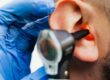
In addition, wear on the temporomandibular joint can cause other hearing symptoms such as ringing in the ears (tinnitus), a feeling of clogged ear or even dizziness. A full hearing test is essential to rule out other possible causes of these symptoms, such as myringitis or other middle ear conditions.
Symptoms associated with bruxism and ear pain
Bruxism not only affects the teeth and jaw, but it can also significantly impact quality of life due to hearing symptoms. Some of the most common symptoms include:
- Pain in the jaw radiating to the ears
- Persistent headache, especially in the temples
- Feeling of pressure or fullness in the ears
- Ringing in the ears, which may vary in intensity
These symptoms can be easily confused with ear infections or related problems, so it is crucial to see a specialist for an uncommitted hearing check-up. Identifying the underlying cause is the first step to effectively treating bruxism-related ear pain.
Treatments to prevent bruxism
Treatment of ear pain associated with bruxism usually focuses on addressing the root cause: bruxism itself. Some effective methods include:
- Use of night splints to prevent contact between teeth
- Relaxation techniques and stress management, since bruxism is often associated with emotional factors.
- Physical therapy to relieve muscular tension in the jaw and neck.
- Bite check and dental adjustments if necessary.
It is essential that these treatments are supervised by a professional, such as a dentist or an ENT specialist, although we also recommend you visit our hearing center in Malaga for a detailed evaluation.
When should you seek professional help?
If you experience recurring ear aches and other symptoms like the ones mentioned above, it’s essential to seek professional help. Ignoring these symptoms can lead to major complications, such as permanent damage to the teeth or temporomandibular joint.
At Audífonos Domínguez, we have a team of professionals who can help you identify the cause of your pain and offer personalized solutions. We are committed to giving you the advice and treatments you need to improve your quality of life. Do not hesitate to contact us for any advice, we are here to help you.