


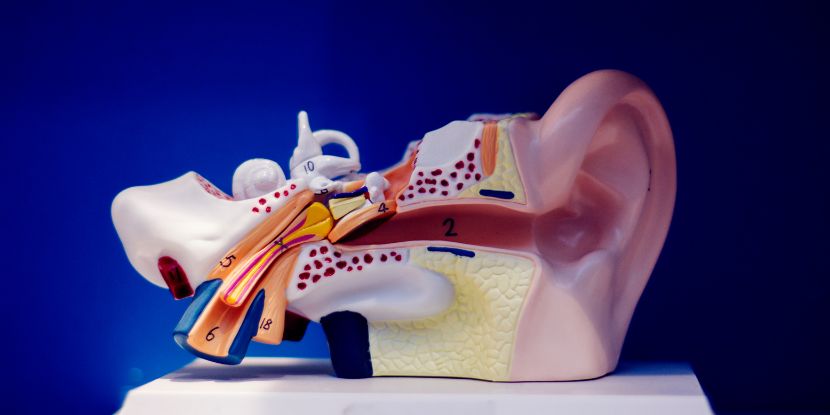
The auditory nerve, or vestibulocochlear nerve, is essential in transmitting sound and balance signals from the inner ear to the brain. When this nerve is affected, significant problems with hearing and balance can occur.
Stay tuned to read the article and find out all about the damaged auditory nerve.
What is the auditory nerve?
The auditory nerve is responsible for transmitting sound and balance signals from the inner ear to the brain. The auditory nerve has two main functions:
- Auditory function: it transmits electrical impulses generated in the cochlea to the brain, where they are processed as sounds.
- Vestibular function: It sends information about balance and spatial position to the brain, helping to maintain bodily stability.
Damage to the auditory nerve can affect one or both functions, causing symptoms that can vary in intensity and nature.
Causes of damaged auditory nerve
There are many causes of damage to the auditory nerve. Prolonged exposure to loud noises, such as those generated in industrial environments or by frequent use of loud headphones, can progressively deteriorate the nerve cells responsible for transmitting sound signals.
Viral or bacterial infections can also trigger inflammation in the auditory nerve, affecting proper functioning. Diseases such as meningitis can have severe consequences for hearing health. In addition, head injuries can directly damage the structures of the inner ear and affect the transmission of sounds to the brain.
Another common cause is the growth of tumours, such as acoustic neuroma, which compress the auditory nerve and can cause symptoms such as progressive hearing loss or lack of stability. Degenerative diseases, such as multiple sclerosis, can also impact the functioning of the auditory nerve due to demyelination of the nerve fibres.
Symptoms of this problem
The symptoms of a damaged auditory nerve can manifest themselves in different ways, depending on the cause and severity of the damage:
- Partial or total hearing loss: difficulty hearing low frequency sounds and understanding conversations, usually affecting only one ear (unilateral hearing loss).
- Tinnitus: Sensation of constant ringing, buzzing or clicking in the ear without an external source.
- Balance problems: Sensation of dizziness or lightheadedness, difficulty walking and maintaining stability, due to the relationship of the nerve to the vestibular system.
- Difficulty processing sounds: Although hearing may appear functional, there may be problems interpreting speech correctly, especially in noisy environments.
Treatment for damaged auditory nerve
Treatment depends on the cause and severity of the damage. Although in many cases the damage to the auditory nerve is irreversible, there are options that can improve the patient’s quality of life.
Hearing aids
When hearing loss is mild or moderate, hearing aids can be an effective solution. These devices amplify sounds and improve the user’s ability to perceive speech and environmental sounds.
Cochlear implants
In cases where hearing loss is profound and hearing aids are not effective, cochlear implants may be an alternative. These electronic devices are surgically placed and directly stimulate the auditory nerve, allowing some hearing to be restored.
Auditory rehabilitation therapies
People with hearing nerve damage may benefit from hearing therapies that teach them to better interpret and process sounds. These therapies may include auditory training and exercises to improve speech perception in noisy environments.
Medication
In cases where damage to the auditory nerve is caused by infection, medication such as antibiotics or corticosteroids may be given to reduce inflammation and limit the impact on hearing. Treatment should be prescribed by a specialist.
Surgery
When the cause of the damage is a tumour, surgery may be necessary to remove the tumour and prevent further pressure on the auditory nerve. Depending on the size and location of the tumour, the best surgical option will be assessed to preserve the patient’s hearing and balance as much as possible.
Treating your damaged hearing nerve in Malaga
At our hearing centre in Malaga, Audífonos Domínguez, we offer personalised solutions to treat hearing problems, including damage to the auditory nerve. Our team of specialists carry out complete hearing evaluations to detect the problem and recommend the most appropriate treatment for each patient.
We have state-of-the-art hearing aids and hearing devices, as well as aural rehabilitation options to improve the quality of life for those who have suffered hearing loss. In addition, we offer personalised follow-up care to ensure that the treatment chosen is the most effective.
If you suspect you may have a hearing problem, don’t hesitate to contact us.