

The first few years of a baby’s life are critical for their hearing and language development. Hearing aids for babies play a vital role in providing them with access to sound and facilitating their cognitive, linguistic, and social development. At our hearing center in Malaga, Audífonos Domínguez, we can help improve your baby’s quality of life. Here we explore in detail when to consider baby hearing aids, the possible causes of hearing loss at birth, and how to choose the right hearing aid for your little one.
When are hearing aids needed in a baby?
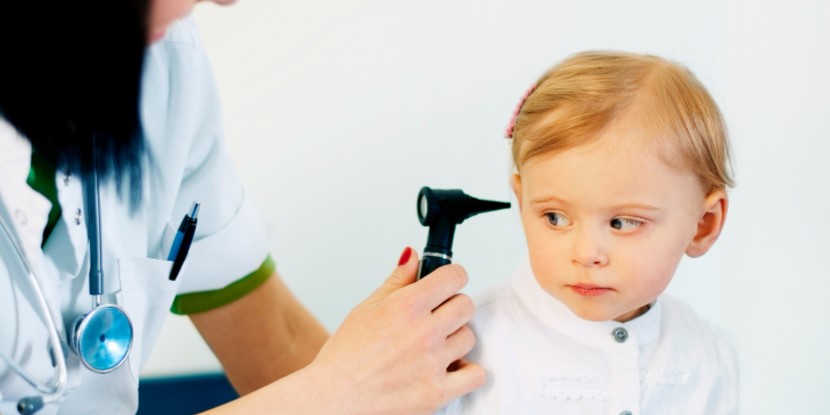
The first step in determining if a baby needs hearing aids is through hearing screening, which is done shortly after birth by a professional audiologist. These early detection programs help identify hearing problems in newborns.
If any abnormalities are detected, more thorough hearing tests will be performed to assess the baby’s response to sound stimuli. If hearing loss is confirmed, the use of hearing aids may be recommended to improve sound perception and facilitate the development of language and listening skills.
In order for the child to benefit from the “critical periods” of development, identification of hearing impairment, use of technology, appropriate amplification, and stimulation of hearing must occur as early as possible. Thus, the diagnosis of hearing loss should be made before 6 months of age.
When we talk about “critical periods” we are referring to the stage of development with the greatest brain plasticity, this occurs during the first three years of life. The lack of auditory stimulation during this period leads to permanent alterations in the functions and structures of the relevant brain areas and implies poor development of the central auditory pathway, language acquisition and cognitive development.
Reasons babies are born with hearing loss
Hearing loss in babies can have a variety of causes, some of which include:
- Genetic factors: Some genetic conditions can predispose babies to hearing problems from birth.
- Conditions during childbirth:Complications during labor, such as lack of oxygen, can damage the baby’s hearing organs.
- Infections during pregnancy: Viral or bacterial infections that the mother contracts during pregnancy, such as rubella or toxoplasmosis, can affect the fetus’s hearing development.
- Neonatal health problems: Some medical conditions that affect babies after birth, such as severe jaundice or infections, can cause hearing damage.
- Exposure to toxic substances: Prenatal exposure to certain toxic substances, such as ototoxic medications or recreational drugs, can affect a baby’s hearing development.
- Head trauma: Injuries to the head or skull during childbirth or after birth can damage the hearing organs.
It’s important to note that these are just a few of the possible causes of hearing loss in babies, and each case can be unique. A thorough medical evaluation and hearing tests are necessary to determine the specific cause of hearing loss in a baby.
Early identification of the underlying cause is crucial for proper treatment and early intervention.
Choosing the right hearing aid for your baby
When it comes to selecting baby hearing aids, it is essential to consider several factors to ensure their comfort and effectiveness.
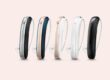
BTE hearing aids are a popular choice due to their durability and ability to adapt to the baby’s growth. Custom-made molds ensure a comfortable and secure fit in baby’s ear, while speech therapy and other interventions help maximize the benefits of hearing aid use. In our hearing center we offer the brands: Phonak, Resound, Oticon and Phillips with a very high level of BTE quality.
Baby hearing aids are essential tools that can make a big difference in their hearing and language development. With the right support from hearing care professionals and early intervention, babies with hearing loss can reach their full potential and enjoy a full and active life.
If you find yourself in a similar situation, and you notice that your baby is not responding as well as he should to sounds, or is lagging behind his peers in speech development, a review may be necessary, contact us.